


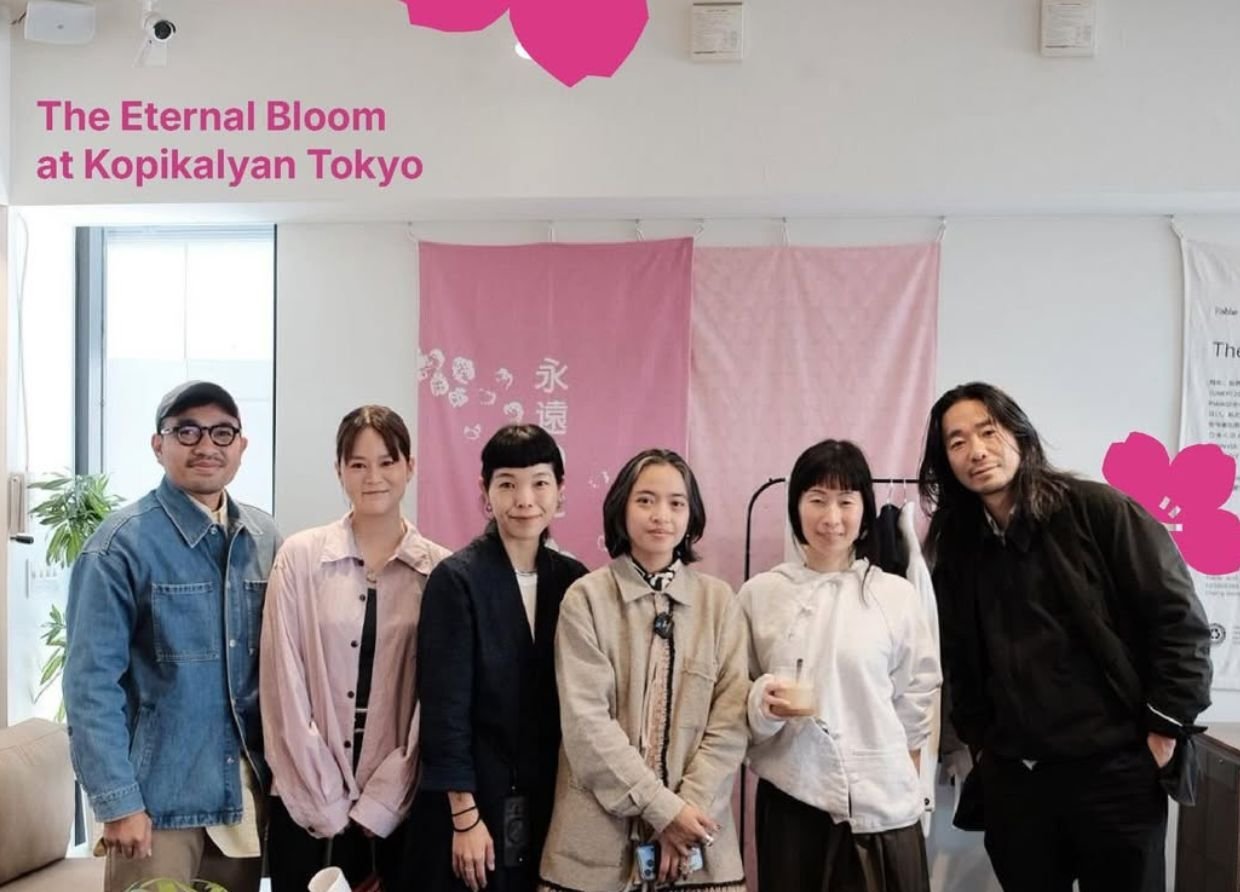
PABLE TAKES INDONESIA'S CIRCULAR FASHION TO TOKYO IN 2026
Pable from Surabaya brought Indonesia's circular textile innovation to Tokyo. Here is what the startup built from a pile of fabric waste in 2017 to a global showcase in Japan.
In 2017, Aryenda Atma walked into a storage facility on the outskirts of Surabaya and found a pile of fabric waste five meters tall. She was visiting family. A friend had asked her to scout buildings for rent. She did not expect to find something that would change what she did with the next decade of her life.
That pile became Pable. And in 2026, Pable brought what it built from that pile to Tokyo through the Pable Circular Global Showcase, presenting Indonesia's most compelling circular fashion innovation to a Japanese audience and an international industry that is paying increasing attention to what Southeast Asia is building in textile sustainability.
If you have been following Indonesia's creative economy on the global stage, Pable belongs in the same conversation as Papermoon at the Global Arts Prize shortlist and Indonesia at Venice Biennale. Different rooms. Same argument.
What Pable Actually Is and What It Has Built Since 2020
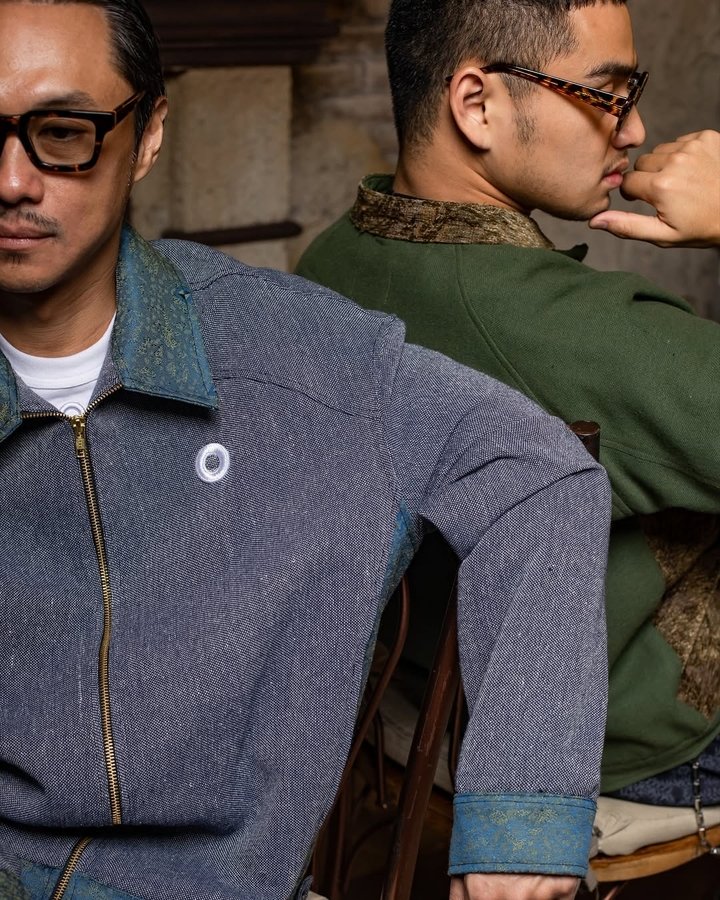
Pabtex Pable Indonesia recycled textile fabric 100 percent domestic waste circular fashion
Pable is an Indonesian textile-to-textile recycling company founded in 2020 by Aryenda Atma in Surabaya, East Java. The company's mission is built around one conviction: textile waste is not trash but raw potential, transformed through circular design, made-to-be-made-again thinking, and collective action that improves lives and regenerates value.
The company operates on the principle of Circular Economy, which is restorative and regenerative by design. Unlike a Linear Economy, Pable's model reduces the risk of sourcing new virgin raw materials and instead repurposes textile waste to prolong the product's life, collectively recycling as much as possible for the community, the earth, and the well-being of all.
Their flagship product is Pabtex, a renewable textile made entirely from 100 percent domestic textile waste. Pabtex is the result of mechanical recycling combined with traditional weaving practices, produced through a partnership with the community of weavers from Karangrejo Village, East Java. Through the centuries-old tradition of kain tenun or woven fabric, Pable and the Karangrejo community weave together diverse identities, artistic expression, and the rich heritage of Indonesia.
Indonesia is among the largest textile manufacturers and apparel exporters in the world. Based on data from the Ministry of Environment and Forestry, Indonesia produced approximately 2.3 million tons of textile waste in 2019, with only 0.3 million tons being recycled.
Pable has recycled 270 tons of textile waste from across Indonesia to date, collected through two programs. Portable is a drop-off system that allows individuals and companies to dispose of textile waste at designated sites. Pabmove, or the Uniform Disposal Program, is designed to responsibly manage old, damaged, or outdated uniforms from companies, giving a second life to clothing that would otherwise contribute to Indonesia's textile waste problem.
In December 2024, Pable launched Linens to Life, a pilot program collecting and recycling hotel linens with Artotel Group as its first partner. The program signals Pable's expansion from fashion and corporate uniforms into the hospitality sector, a significant new waste stream that most circular fashion companies have not yet addressed.
Atma described the founding philosophy directly: "When we were looking for third-party yarn weavers, we wanted to retrace our steps and really look into what makes Indonesia unique, rich, and full of potential. We wanted to go back to our roots."
What the Tokyo Showcase Represents for Indonesian Creative Economy
![Aryenda Atma in Tokyo. The CEO who started with a five-meter pile of fabric waste in Surabaya in 2017.]](https://rsvpclique.com/uploads/posts/I8UUcGGP4TNSy14OjwJThn9uWjVgKwLB.jpeg)
Aryenda Atma Pable founder Tokyo Circular Global Showcase Indonesia circular fashion 2026
Taking an Indonesian circular fashion brand to Tokyo is not a minor logistical achievement. Japan is one of the world's most demanding markets for material quality and sustainability credentials. The fashion industry there has been moving toward circularity with the kind of deliberate, systemic approach that requires international partners who can demonstrate not just intention but actual infrastructure.
Pable can demonstrate exactly that. The recycling facility in Pasuruan, East Java processes waste into yarn at scale. The Karangrejo Village handloom partnership produces the final Pabtex fabric with traditional craftsmanship. Pabmove shows the model working at corporate scale. Linens to Life shows it expanding into hospitality. The 270 tons of textile waste recycled to date is not a pilot. It is a proven system.
The Pable Circular Global Showcase in Tokyo is the moment that system arrives on an international stage. For the Indonesian creative economy, which has been building its global presence across 2026 through film, art, music, and sport, this is the version that arrives through innovation and sustainability rather than cultural performance.
Indonesia did not send a delegation to Tokyo. It sent a startup that turned a five-meter pile of fabric waste into a business model built on recycled yarn, handloom tradition, and the conviction that what gets thrown away is always the beginning of something new.
You Might Also Want to Read
Yogyakarta's Papermoon Is on the Global Arts Prize Shortlist — rsvpclique.com
Follow the Next Chapter
Pable is building Indonesia's most credible circular fashion infrastructure from Surabaya. Follow their work at @pable.id on Instagram.
Sources of Photos
All photography from the Pable Circular Global Showcase in Tokyo and Pable Indonesia documentation was sourced from official company accounts and media coverage.
Pable Indonesia Official Instagram — @pable.id
Aryenda Atma Official Instagram - @Aryenda Atma
Frequently Asked Questions
#Pable #Aryenda Atma #Pabtex #Pabmove #circular fashion #textile recycling #Tokyo #Surabaya #East Java #Karangrejo Village #Pable Circular Global Showcase #Indonesia #creative economy #Linens to Life
