


LAWANG SEWU SEMARANG, A HISTORIC ICON WITH A MODERN AND EDUCATIONAL PRESENCE
An architectural gem blending colonial legacy, artistic craftsmanship, and immersive railway stories into one inspiring cultural experience
Lawang Sewu is a historic landmark owned by PT Kereta Api Indonesia Persero and managed by its subsidiary, PT Kereta Api Pariwisata or KAI Wisata. The building was originally used as the head office of the private railway company Nederlandsch Indische Spoorweg Maatschappij NISM. Constructed in stages on a 18,232 square meter site, the main building began development on February 27, 1904 and was completed in July 1907. Additional structures were built around 1916 and finalized in 1918.
Designed by Prof. Jakob F. Klinkhamer and B.J. Ouendag, architects from Amsterdam, the building features a design dominated by simple curved elements and an L shaped layout. Lawang Sewu is well known for its numerous doors and windows, which function as a natural ventilation system. Because of the large number of doors, the local community named it Lawang Sewu, meaning a thousand doors.
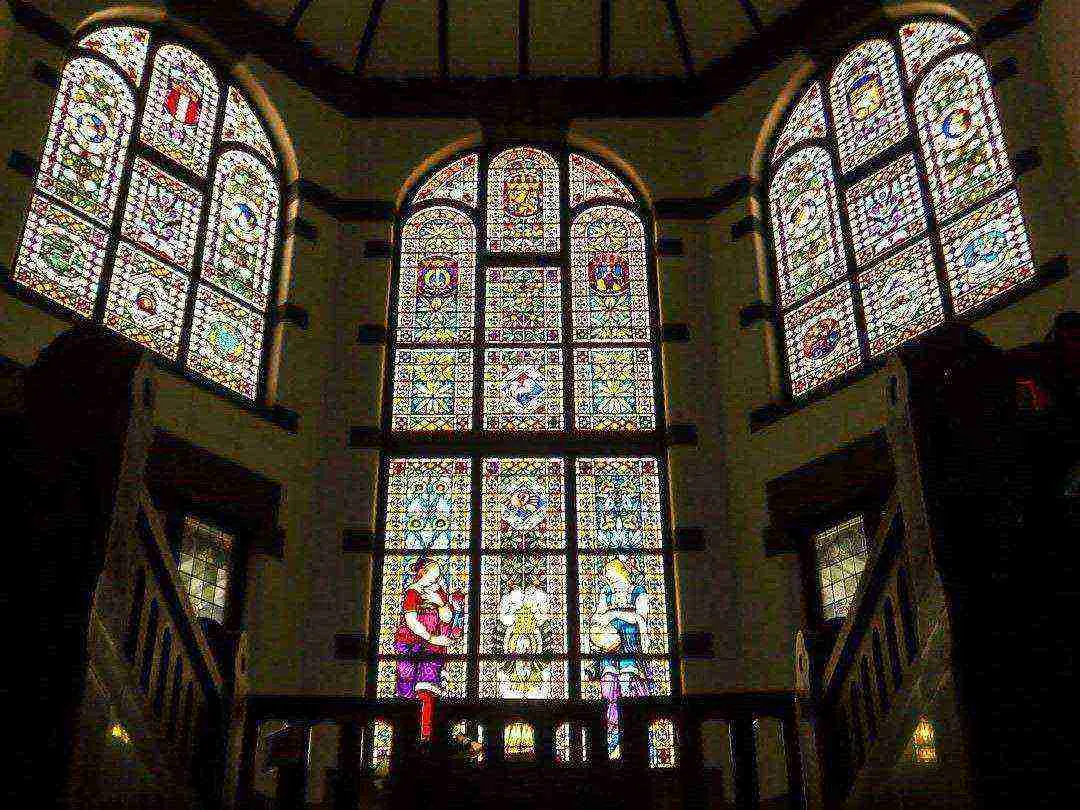
Beyond its architectural form, the building is also rich in decorative details. One of its most striking features is the stained glass crafted by Johannes Lourens Schouten. The artwork illustrates the prosperity and beauty of Java, Dutch authority over Semarang and Batavia, maritime cities, and the prominence of the railway industry. Additional ornaments include ceramic details on the curved sections above the balconies, a small copper coated dome atop the water tower, and bronze decorations crowning the tower.
Today, Lawang Sewu serves as a museum showcasing the history of Indonesian railways across different eras. Its collections include the Alkmaar collection, the Edmonson machine, calculating machines, typewriters, a steam locomotive replica, valuable documents, and other historical artifacts. The museum also presents documentation of the building’s restoration through photographs, videos, and preserved restoration materials. Near the exit, visitors can find a library filled with books about the railway industry.
In addition to functioning as a historical tourism destination, the Lawang Sewu building is available for rent for various events, including exhibitions, meetings, photoshoots, film productions, wedding receptions, festivals, bazaars, art performances, and workshops.
The museum has demonstrated strong performance as one of Indonesia’s leading historical tourism destinations. Throughout 2025, PT Kereta Api Indonesia Persero through KAI Wisata recorded 568,075 visitors to this iconic Semarang landmark. Lawang Sewu also received the Anugerah Purwakalaghra Indonesia Museum Awards 2025 in recognition of its contribution to museum tourism development, historic building preservation, and the promotion of cultural literacy.
Through structured management, Lawang Sewu continues to introduce modern and informative educational concepts, enhance visitor experience standards, implement sustainable conservation programs, and develop innovative museum content with engaging railway history storytelling. Strengthened digital promotion efforts further support its reach to domestic and international tourists, reinforcing its position as one of Indonesia’s most influential cultural tourism destinations.
photo source: instagram.com/jiwajawaresidence | instagram.com/wisata.lawangsewu
#Lawang Sewu Semarang #Lawang Sewu history #Lawang Sewu museum #historic building in Semarang #Indonesian railway history #PT Kereta Api Indonesia #KAI Wisata #Nederlandsch Indische Spoorweg Maatschappij #colonial architecture in Indonesia #stained glass Johannes Lourens Schouten #railway museum Indonesia #heritage tourism Semarang #cultural tourism Indonesia #Lawang Sewu ticket information #Lawang Sewu opening hours #Lawang Sewu events venue #Lawang Sewu restoration #iconic landmark of Semarang #things to do in Semarang #museum awards Indonesia #media #articlersvp clique
