


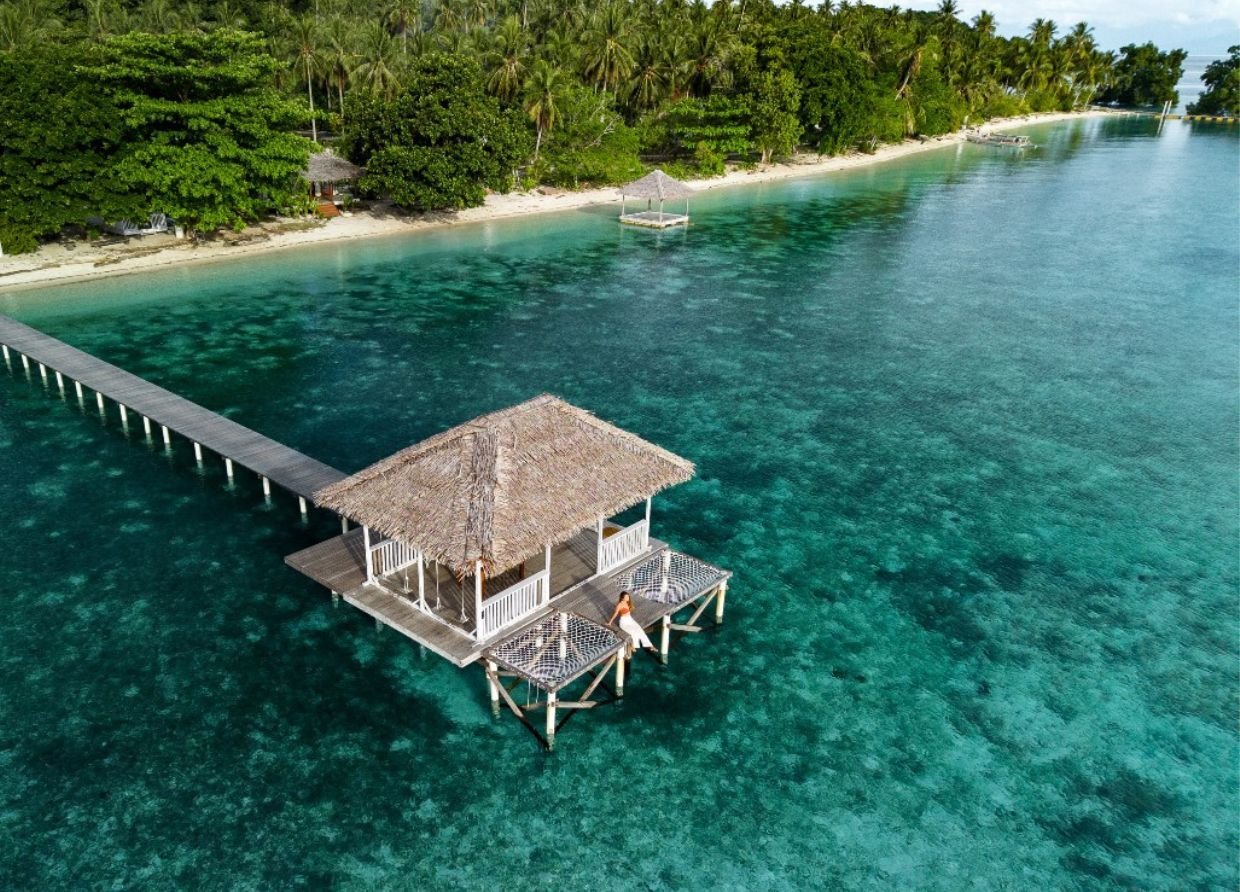
TOGEAN ISLANDS: INDONESIA'S HIDDEN GEM WORTH THE JOURNEY
Fifty-six islands in Central Sulawesi that most people have never heard of. The Togean Islands are Indonesia's most rewarding hidden gem for those willing to find them.
There is a lake inside an island in Central Sulawesi where you can swim with jellyfish. Not the kind that stings. The kind that moves through the water around you like something from a dream, thousands of them, completely harmless, completely indifferent to your presence, in water so clear you can see them from the surface before you get in.
That is the Togean Islands. And almost nobody knows they exist.
The Togean Islands are a remote tropical getaway. Think Raja Ampat, but more affordable and uncrowded. If you have been following Indonesia's growing presence on the global travel map in 2026, from Bali ranked first by TripAdvisor to three UNESCO Geoparks receiving their Green Cards, the Togean Islands are the part of that story that the algorithm has not reached yet.
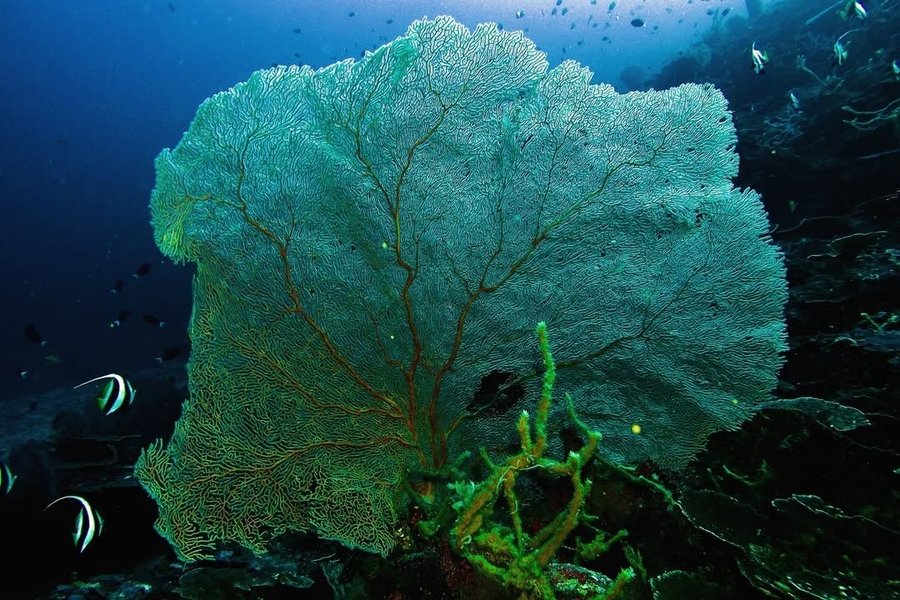
The Togean reef at work. A sea fan filtering life from the current.
What the Togean Islands Actually Are
The Togean Islands are an archipelago located in the transition zone of Wallace and Weber lines across the central Gulf of Tomini, off the coast of Central Sulawesi. This enchanting archipelago is one of the jewels of Central Sulawesi. Stunning reefs, small isolated white sandy beaches, traditional fishermen villages of the Bajau, and verdant rainforest have left many a world-weary traveler searching for superlatives.
The archipelago consists of 56 islands, of which only a handful are inhabited and even fewer receive regular visitors. The Togean Islands are home to 38 species of coral that are part of the global Coral Triangle. Additionally, there are around 307 marine species living in this area. Togean also has an endemic coral species called Acropora togeannensis.
There are more than 30 dive sites among the 56 islands. The reefs consist of four types: fringing reefs, barrier reefs, patch reefs, and atoll reefs, making the underwater geography as varied as the surface one. The difficulty getting here is the reason these islands remain mainly untouched.
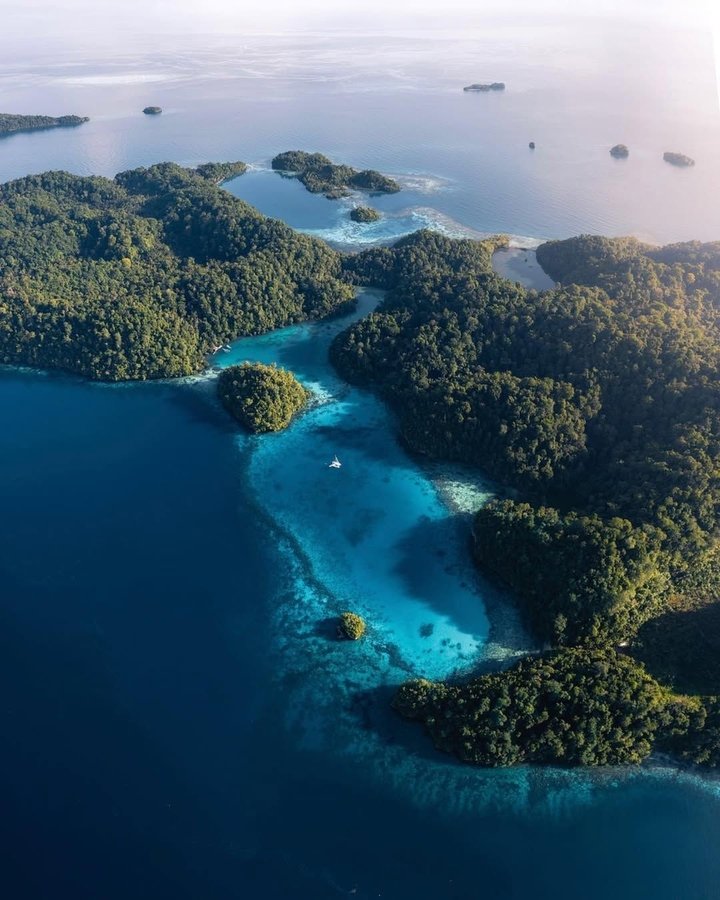
The Togean reef stays pristine because getting here takes commitment.
The main islands worth knowing are Kadidiri, Batudaka, Togean, Una Una, and Malenge. Kadidiri is the most accessible and serves as the entry point for most visitors, with a handful of dive resorts and homestays right on the beach. Una Una is the most remote, home to an active volcano and black sand beaches ringed by coconut palms and turquoise water. Marione Lake on Togean Island is where the stingless jellyfish are.
The Bajau sea nomads, one of the most significant maritime communities in Southeast Asia, have villages throughout the archipelago. Visiting these communities is one of the most authentic cultural encounters available in Indonesia today, in a setting that has not been staged for tourism.
What You Actually Do There and How to Get There
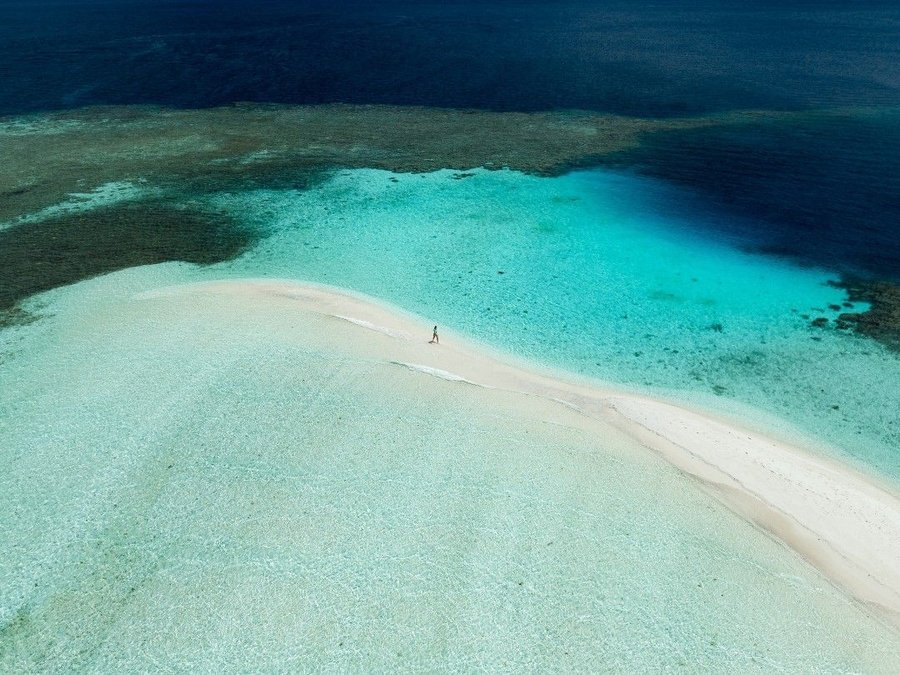
A sandbank in a turquoise lagoon. No crowds. No noise. Just the ocean.
Snorkeling and diving reveal incredible reefs and a jellyfish lake with no stingers. Kadidiri Island offers laid-back beach camps and hammocks. Sunrise and sunset over calm water are unforgettable.
Beyond the water, the islands offer rainforest trekking on Una Una, clove plantation visits during harvest season, kayaking along coastlines that only local fishermen have previously paddled, and watching the specific quality of light that arrives when you are exactly on the equator in a place with no light pollution.
Getting there requires commitment. From Jakarta or Bali, fly to Luwuk or Gorontalo, the two gateway cities. From Luwuk, take a bus or private vehicle to Ampana, approximately four to five hours, then a public ferry to Wakai on Batudaka Island, approximately four hours. From Gorontalo, a public boat runs directly to the Togeans twice a week. Most resorts will arrange pickup from the harbor once you arrive.
March to December is the best time to dive here, with the dry season making diving more pleasant, though visibility and conditions are good for diving all year.
That logistical friction is exactly why the Togean Islands stay the way they are. Mass tourism rarely goes where transfers are annoying. The reward is an Indonesia that has not yet been optimized for anyone's convenience.
You Might Also Want to Read
Indonesia's Three Geoparks Win UNESCO Green Card 2026 — rsvpclique.com
You Need to Know Hutan Kota by Plataran Before Your Jakarta Trip — rsvpclique.com
Plan the Trip That Most People Never TakeThe Togean Islands are best visited between March and December. Fly into Luwuk or Gorontalo, then connect by road and ferry to the archipelago. Follow @wonderfulindonesia for broader Sulawesi travel inspiration. The jellyfish will be in the lake whether you go or not. The question is whether you will be there too.
Sources of Photos :
All photography from the Togean Islands was sourced from official Indonesian tourism documentation and resort documentation.
Wonderful Indonesia Official Instagram— @wonderfulindonesia
Reconnect Island Officia Instagraml — @reconnect.island
Togean Island Official Instagram — @togean.island
Frequently Asked Questions
#Togean Islands #Central Sulawesi #Indonesia #Coral Triangle #Bajau #jellyfish lake #diving #snorkeling #hidden gem #Kadidiri #Una Una #Mariona Lake #Sulawesi
